
Bay Area winters rarely get brutal, but they do get cold enough, and long enough, that homeowners start asking whether their heating setup is actually the right one. A dual-fuel system, sometimes called a hybrid HVAC system, is one answer that’s gained attention because it doesn’t force you to pick between electric and gas. Instead, it uses both, switching automatically based on which one makes more sense at that moment.
What a Dual-Fuel System Actually Is
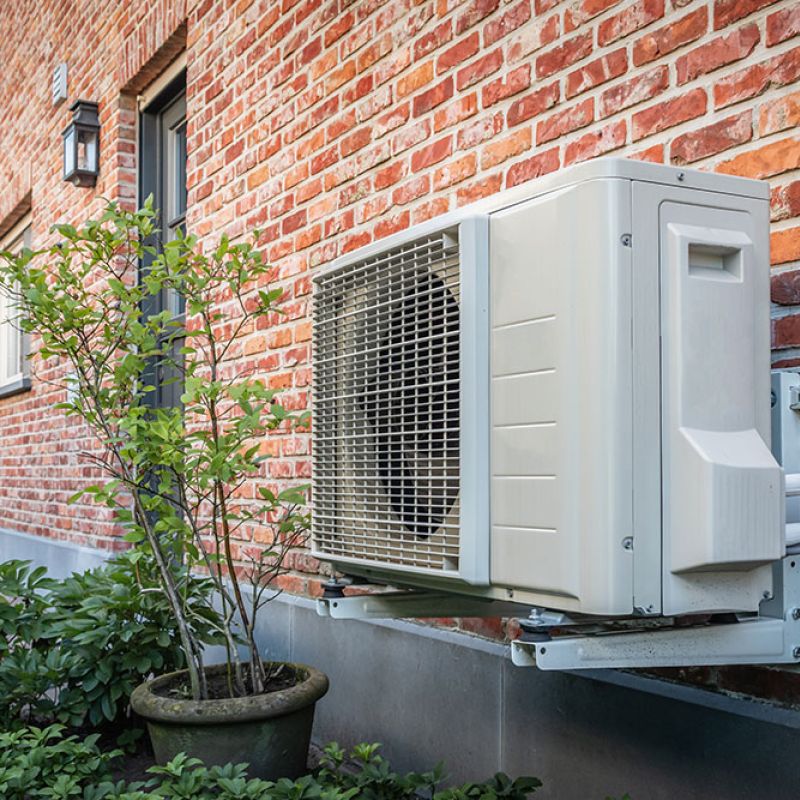
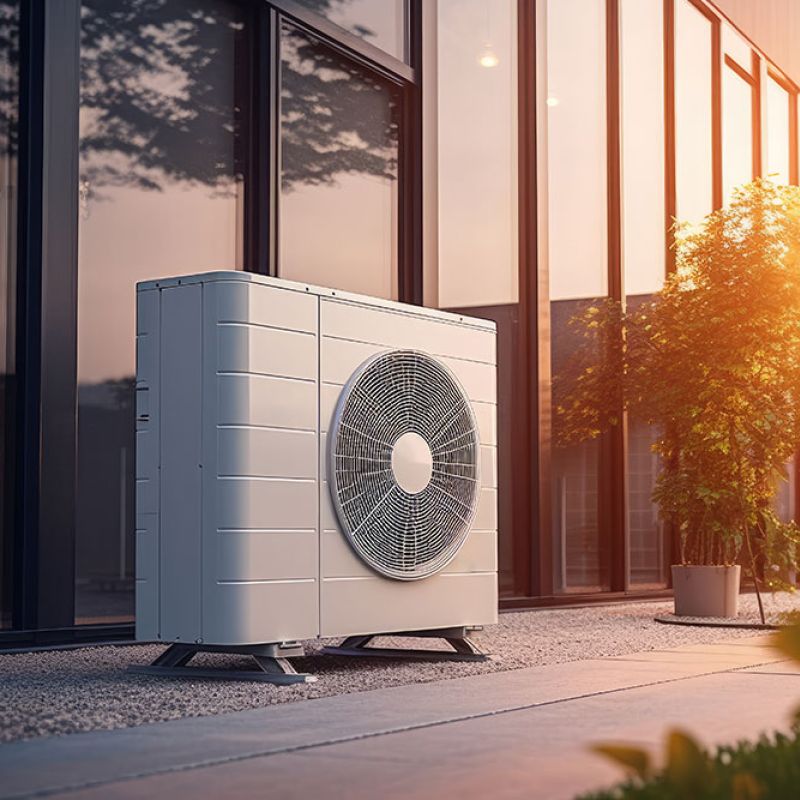
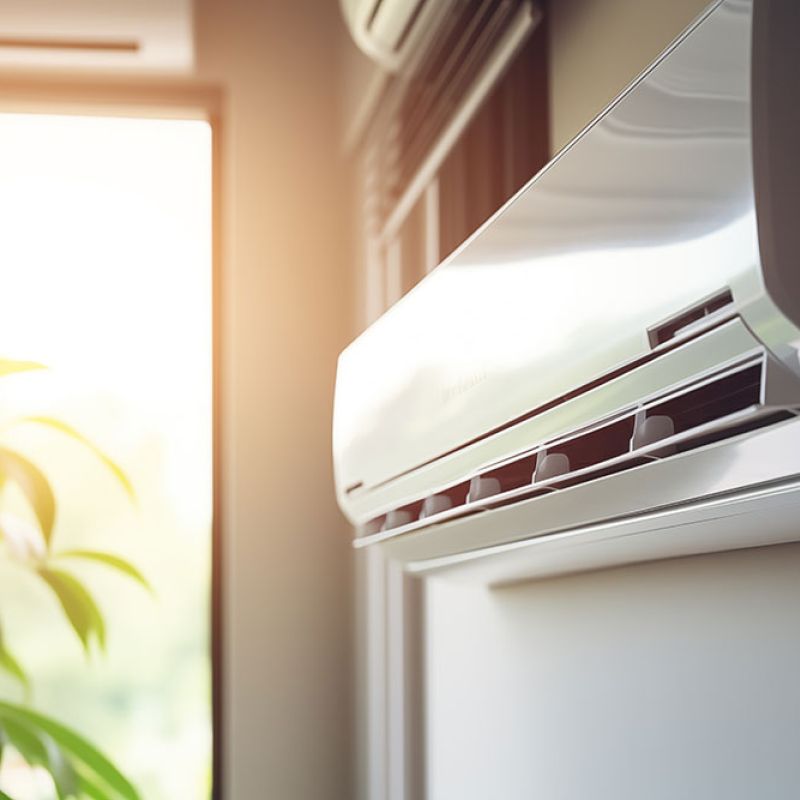
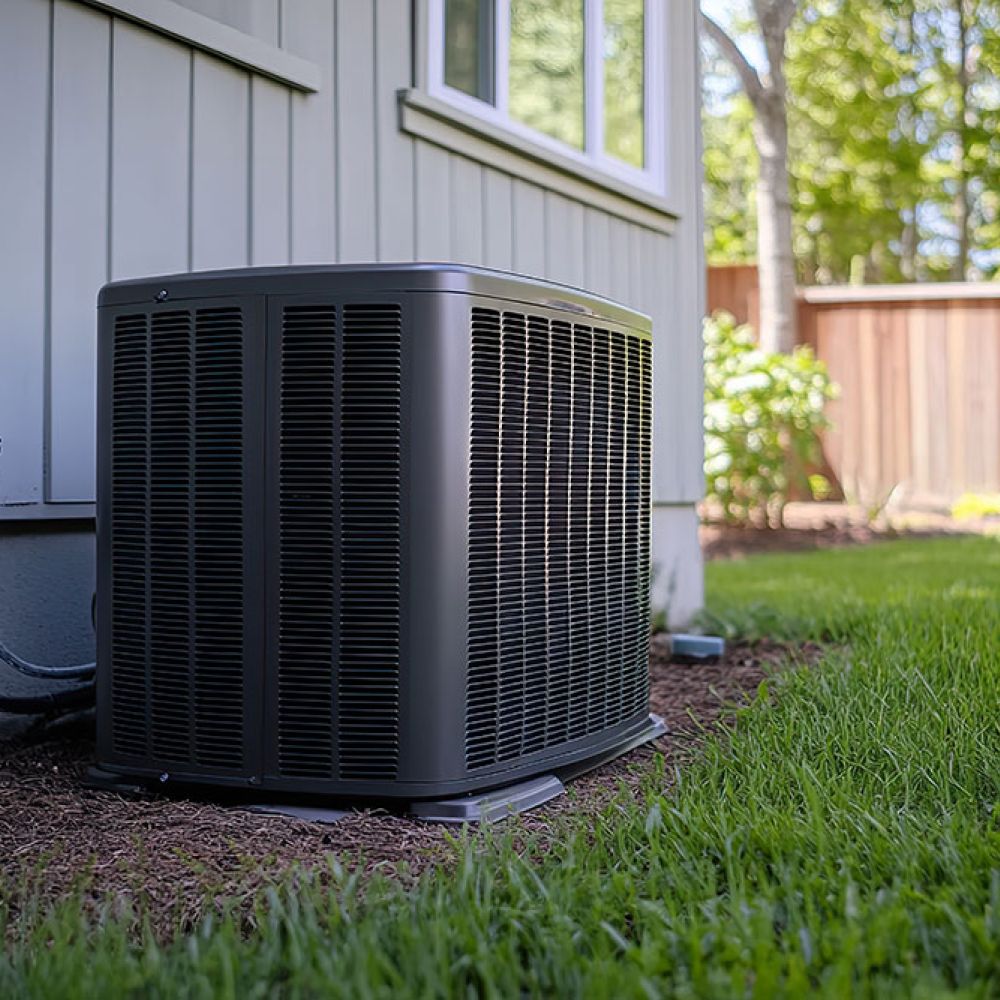
A dual-fuel system pairs an electric heat pump with a gas furnace inside one setup. The heat pump handles most of the year’s heating and cooling, since it’s efficient and doesn’t burn any fuel to move heat in or out of your home. When outdoor temperatures drop low enough that a heat pump starts to lose efficiency, the system automatically switches over to the gas furnace, which can produce strong heat regardless of how cold it gets outside.
This handoff happens through a thermostat or control board that monitors outdoor temperature and switches fuel sources without you touching a dial. Homeowners typically only notice the shift because the air coming from the vents feels a little different, not because anything stopped working.
Why Homeowners Consider Switching
Most people look into dual-fuel systems after running into one of two frustrations. Either their all-electric heat pump struggles to keep up on the coldest nights, or their gas furnace feels wasteful and expensive to run through mild Bay Area winters when a heat pump alone would do the job.
A dual-fuel setup solves both problems without asking you to give up the fuel source you already trust. You get the lower operating cost of a heat pump for most of the season, and the furnace stays in reserve for the handful of nights each year when it’s genuinely needed.
The Cost and Savings Picture
The upfront cost of a dual-fuel system is higher than installing a single-fuel system, since you’re paying for two pieces of equipment working together instead of one. The savings show up in the monthly bill. Heat pumps use electricity far more efficiently than a furnace uses gas for most of the temperature range Bay Area homes actually experience, so the system spends most of its runtime in its cheapest mode.
Some California rebate programs for heat pumps may help offset the installation cost, though availability shifts throughout the year and several popular programs are currently reserved or waitlisted. We cover the current rebate landscape in more detail in our guide to California heat pump rebates and incentives, which is worth a look before budgeting for any new system.
Is a Dual-Fuel System Right for Your Home
Not every home needs one. If your current heat pump keeps up fine through winter, or if your gas furnace is only a few years old and running efficiently, a full dual-fuel conversion may not be worth the investment yet. Dual-fuel systems make the most sense when you’re already replacing aging equipment, since you’re not paying to remove a functional system just to add a second fuel source.
Homes with older ductwork should also get that inspected before adding a dual-fuel system, since leaky or undersized ducts limit how well either fuel source can heat the house. If you’re not sure how your ductwork is holding up, our air duct sealing service can identify air loss before it undermines a new system’s performance.
We compare heat pumps against straight gas or electric setups in more depth in Gas vs. Electric Heat Pump: Which Is Right for Your Bay Area Home?, which is a useful next read if you’re still deciding which direction fits your home.
What Installation Looks Like
Installing a dual-fuel system means coordinating the heat pump, the furnace, and the shared ductwork so all three work as one system rather than two separate ones fighting for control. The control board that manages the fuel switch also needs to be set to a temperature threshold that matches your local climate, not a factory default built for a colder region.
According to the U.S. Department of Energy, heat pumps can be an energy-efficient alternative to furnaces and air conditioners in moderate climates, which is part of why dual-fuel setups have become more common as heat pump technology has improved.
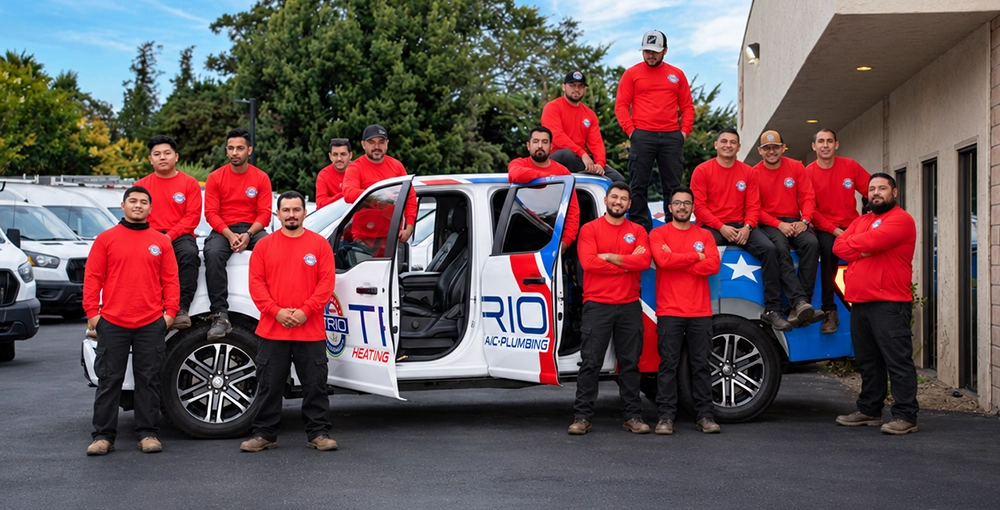
At TRIO Heating, Air & Plumbing, our technicians handle dual-fuel installations as part of our regular heating and cooling installation work, and we’re the only Daikin 3E Program partner in California, a distinction tied to training standards for efficient equipment like heat pumps. If you’re weighing whether a dual-fuel system makes sense for your home, our team can walk through your current setup and help you decide. Request a service appointment to get started.
Frequently Asked Questions
A dual-fuel system runs on an electric heat pump for most of the heating season and automatically switches to a gas furnace once outdoor temperatures drop below a set threshold. A control board handles the switch, so the transition happens without any manual adjustment from the homeowner.
For homes already replacing aging heating equipment, a dual-fuel system often pays off through lower monthly energy costs, since the heat pump handles most of the year at a lower operating cost than gas alone. The higher upfront investment matters most for homes with real cold-weather demand, where a heat pump alone would struggle without backup.
The main downside is the higher installation cost, since you’re purchasing and installing two pieces of equipment instead of one. Dual-fuel systems also add a bit more complexity to repairs and maintenance, since a technician needs to check both the heat pump and the furnace, along with the controls that manage the switch between them.
Written By TRIO Heating, Air & Plumbing
Our mission is clear: to provide top-tier heating and air conditioning services while focusing on exceptional customer experiences, employee happiness, and environmental responsibility.