
Most Bay Area homeowners have noticed the signs without necessarily connecting them to a single cause. Cloudy glasses straight out of the dishwasher, a crusty white ring around the faucet, and soap that won’t quite lather. All of it usually traces back to hard water, which carries a higher concentration of dissolved minerals like calcium and magnesium than what plumbing and appliances are built to handle over time.
What Makes Water “Hard” in the First Place
Water picks up minerals as it moves through soil and rock before reaching your home. Areas with limestone or mineral-rich groundwater tend to have harder water, and much of Santa Clara County and the surrounding Bay Area falls into that category. The water itself is safe to drink and isn’t a health concern. The issue shows up later, once those minerals start settling out inside your pipes and equipment.
How Mineral Buildup Affects Your Plumbing
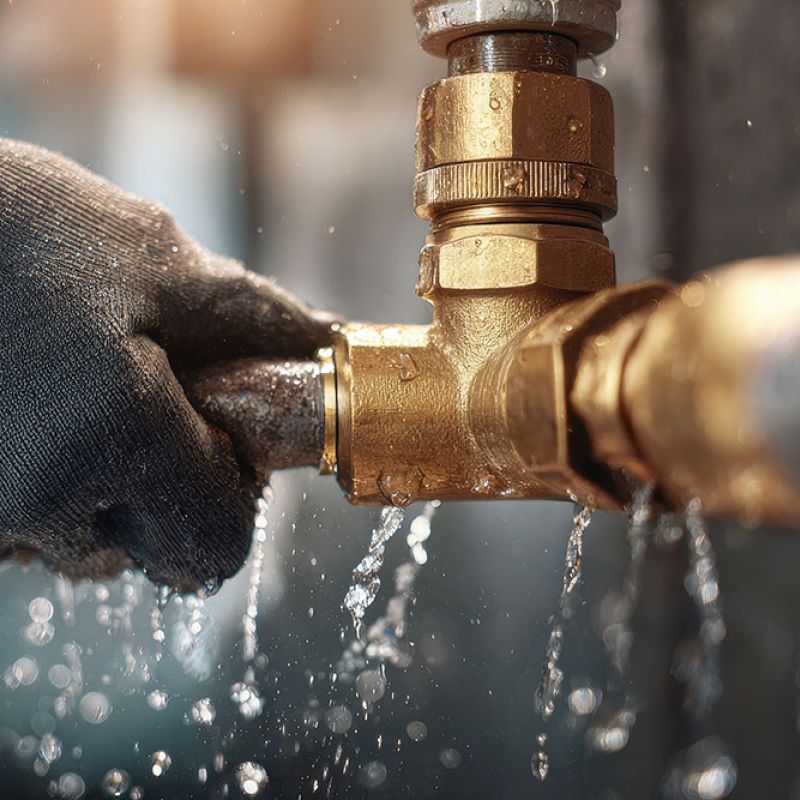
Inside pipes, dissolved minerals gradually solidify into scale, a hard, chalky deposit that clings to the interior walls. Over months and years, that scale narrows the usable space inside the pipe, which is why water pressure in older homes often declines gradually rather than all at once.
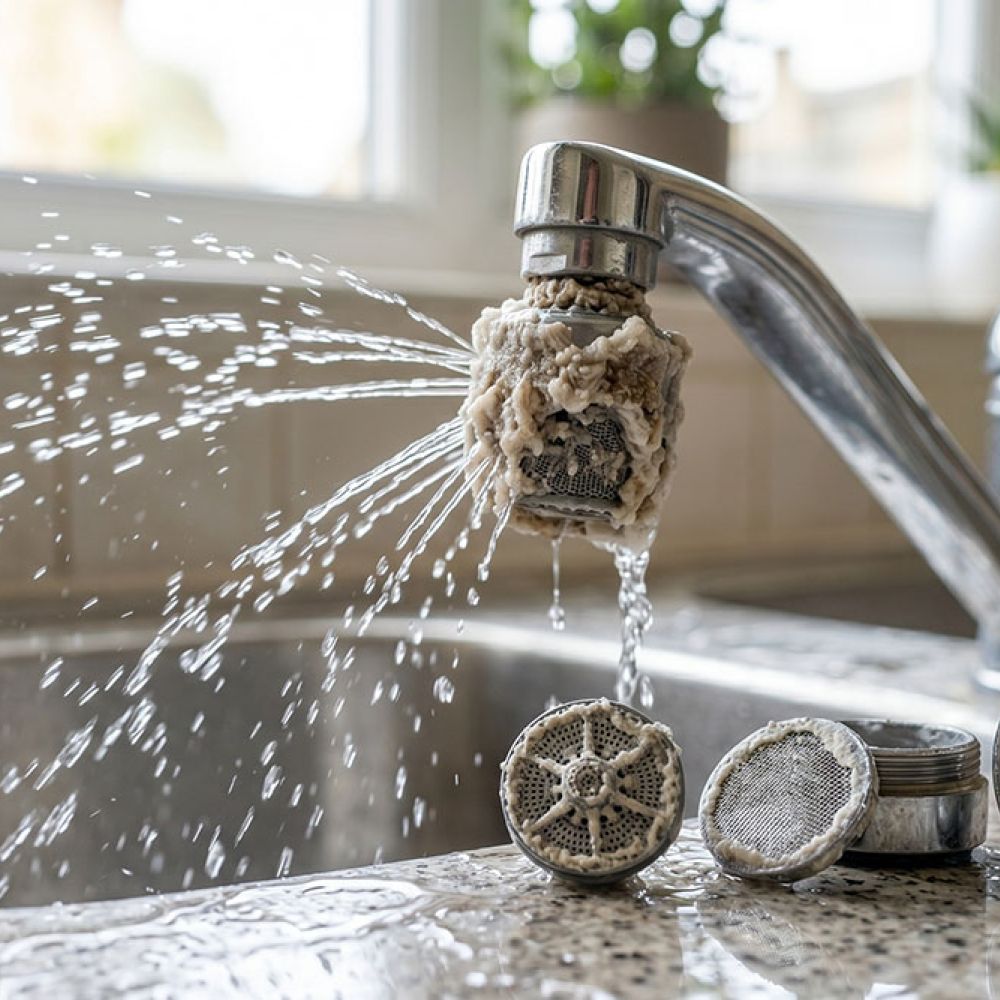
Scale doesn’t stop at the pipe wall. It builds up inside faucets, showerheads, and valves, which is why a showerhead that once had strong, even spray starts producing a weaker or uneven stream. Homes with galvanized steel or older copper plumbing tend to notice this faster, since scale has more surface texture to grip onto inside those older pipe materials.
What It Does to Your Appliances
Water heaters take the brunt of hard water damage because heating water accelerates mineral deposit formation. Scale settles at the bottom of a tank-style water heater, insulating the water from the heating element and forcing the unit to work harder to reach the same temperature. Over time, that extra strain shortens the water heater’s lifespan and drives up energy use.
Dishwashers and washing machines deal with a related problem. Mineral deposits build up inside internal components and on heating elements, while the minerals themselves interfere with how well detergent dissolves and lathers. That’s the real reason for cloudy dishes and stiff, faded laundry, not because the detergent is failing to do its job.
Signs Hard Water Is Affecting Your Home
A few patterns tend to show up together in homes with untreated hard water:
- Reduced water pressure: Gradual, steady decline rather than a sudden drop, usually tied to scale-narrowing pipe interiors.
- Visible scale: White or chalky residue around faucets, showerheads, and drains.
- Shortened appliance lifespan: Water heaters, dishwashers, and washing machines are wearing out faster than their expected service life.
- Dry skin and dull hair: A less obvious sign, but one many homeowners notice once they switch to treated water.
If more than one of these sounds familiar, it’s worth having your water tested rather than waiting for a bigger plumbing issue to show up.
What Homeowners Can Do About It
The most direct fix is treating the water before it reaches your plumbing and appliances at all. A whole-home water softener removes the minerals responsible for scale before they ever reach a pipe or appliance, which protects everything downstream at once rather than treating symptoms one at a time.
For homeowners more focused on drinking and cooking water quality specifically, a reverse osmosis system targets water at the point of use, removing minerals and other dissolved substances right where it matters most for taste and health. We cover how that process works in more detail on our reverse osmosis systems page, which is worth reading if you’re weighing softening the whole house against filtering water at a single tap.
According to the United States Geological Survey, hard water is extremely common across the country, and the mineral content in your specific area depends heavily on local groundwater and soil conditions, which is part of why testing your water matters more than going by a regional average.
At TRIO Heating, Air & Plumbing, our plumbing team installs and services water softeners, water filtration systems, and reverse osmosis systems across the Bay Area, and we can test your water to confirm what’s actually going on before recommending a fix. If scale, pressure loss, or appliance strain sounds familiar, request a service appointment and we’ll take it from there.
Frequently Asked Questions
Hard water carries dissolved calcium and magnesium that solidify into scale as water moves through pipes and appliances. That scale narrows pipe interiors, reduces water pressure over time, and builds up inside water heaters, dishwashers, and washing machines, making them work harder and wear out faster.
A whole-home water softener treats water before it reaches your plumbing, removing the minerals responsible for scale throughout the house at once. For drinking and cooking water specifically, a reverse osmosis system filters water at the point of use for cleaner taste and quality.
Yes, hard water is safe to drink and doesn’t pose a health risk on its own. The concern is mechanical, not medical: the same minerals that are harmless to consume gradually build up inside pipes, water heaters, and other appliances, shortening their lifespan and reducing efficiency.
Written By TRIO Heating, Air & Plumbing
Our mission is clear: to provide top-tier heating and air conditioning services while focusing on exceptional customer experiences, employee happiness, and environmental responsibility.