Key Takeaways
Key Takeaways
Here are the five points that matter most when you’re weighing the two methods.
- Trenchless: Fixes the pipe through small access points, so driveways, patios, and landscaping stay in place.
- Traditional: Opens a trench for full access to collapsed or badly shifted pipe.
- Inspection first: A sewer line inspection shows the damage, and the damage decides the method.
- Bay Area homes: Older clay pipes, clay-heavy soil, and tree roots make sewer problems common here.
- Cost: Labor, access, and yard restoration drive the price more than the pipe itself.
Most homeowners can narrow the choice with those five facts before a technician arrives.
Trenchless vs. traditional sewer repair depends on the pipe’s condition and what is above it. Trenchless repair works through one or two small access points and leaves most of your yard alone, while traditional repair opens a trench along the line. A sewer line inspection shows which method your pipe can take.
Why Sewer Lines Fail in Bay Area Homes
Older Bay Area homes often still have clay sewer lines, and the region’s clay-heavy soil and active tree growth put steady stress on them. Roots work into joints, shifting soil pulls sections apart, and years of buildup narrow the pipe. A sewer line doesn’t come with a fixed replacement date, so its material, root exposure, and soil movement tell you more than the calendar does.
Slow or gurgling drains, sewage odors, and backups that keep returning are the usual warning signs. A soggy patch or an unusually green strip of lawn along the line can mean sewage is leaking into the soil.
Routine drain clearing can’t fix a cracked pipe. Repeat backups are a reason to look at the line itself.
How Traditional Sewer Repair Works
Traditional repair means digging a trench along the damaged section, exposing the pipe, and repairing or replacing it. Full access lets the crew fix a collapsed section, an offset joint, or a stretch of failed pipe that other methods can’t reach. It’s still the right call when the damage is severe or the line is hard to get at any other way.
The cost is disruption. Digging up a yard, walkway, or driveway means restoring it afterward, and the job usually takes longer than a trenchless repair. That’s the main reason homeowners ask whether they can fix a sewer line without digging it up.
How Trenchless Sewer Repair Works
In many cases you can. Trenchless sewer repair fixes the line through one or two small access points, with a liner or a replacement pipe pulled through the existing line. Flow is restored without a long open trench, so a mature tree, a driveway, or a patio above the pipe can stay where it is.
Trenchless repair has limits. A fully collapsed line, a large offset, or a sagging low spot may still need a section dug up, and the crew needs workable access at both ends of the run.
Relining is worth it when digging would mean tearing out a driveway, patio, or established landscaping. It isn’t an option once the pipe has lost its shape.
How to Choose Between the Two
Start with the camera. A sewer line inspection shows where the damage is, how far it runs, and what kind of damage it is. From there, three questions narrow the choice: what sits above the line, how severe the damage is, and how long you can live with a torn-up yard.
If the pipe is mostly intact and a driveway or mature tree sits over it, trenchless repair usually makes more sense. If the line has collapsed, traditional repair may be the only way to fix that section properly. Some jobs combine both, with trenchless work on the sound stretches and a small excavation where the pipe has failed.
A leaking sewer line can also soften the soil around it, and a water leak repair call is worth making when you see wet ground with no sprinkler or supply line nearby. Fixing the pipe early keeps the damage to a section instead of a full run.
Schedule a Sewer Line Inspection
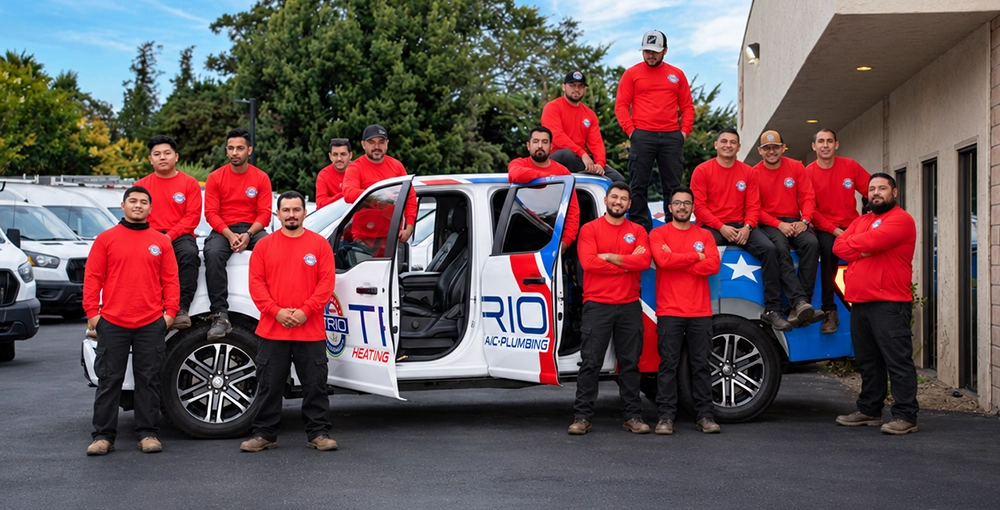
TRIO Heating, Air & Plumbing diagnoses the cause of a sewer problem before recommending a repair, so you know what the line needs before any digging or lining begins. Our licensed, bonded, and insured plumbers handle both trenchless and traditional repair across the Bay Area. If a slow drain or a soggy patch has you worried, request an instant quote and we’ll walk you through your options.
Frequently Asked Questions
Not always. Trenchless repair saves on digging and yard restoration, but the final price still depends on the pipe’s length, depth, and condition, and on how much access the crew has. A sewer line inspection gives you what you need to compare both methods on the same job.
Coverage depends on your policy and on what caused the damage. Wear, aging pipe, and root damage are commonly excluded. Ask your insurer before work starts.
Permit rules vary by city and sewer district, and replacing a sewer line often requires one. Your city’s building department can tell you what applies at your address.
Written By TRIO Heating, Air & Plumbing
Our mission is clear: to provide top-tier heating and air conditioning services while focusing on exceptional customer experiences, employee happiness, and environmental responsibility.