

Key Takeaways
- Plans bundle yearly service: Most include an annual heating tune-up and an annual AC tune-up, plus perks that vary by company.
- Maintenance prevents breakdowns: Clean filters and coils keep equipment efficient, and a technician can spot worn parts early.
- Priority service matters: Members often get faster scheduling when equipment fails during a heat wave or cold snap.
- Savings can stack up: Repair discounts, extended warranties, and credit toward replacement can offset the plan’s cost.
- Details differ: Compare what’s included, equipment age limits, and response commitments before you sign.
An HVAC maintenance plan is a yearly agreement that bundles heating and AC tune-ups with perks like priority scheduling and repair discounts. The main benefits are fewer breakdowns, faster help when something does fail, and lower repair costs over time. A good plan also keeps service records that can protect your manufacturer warranty.
Most plans center on one or two tune-ups a year, one for the AC in spring and one for the furnace or heat pump in fall. A tune-up cleans and adjusts parts, tests controls, and checks the thermostat.
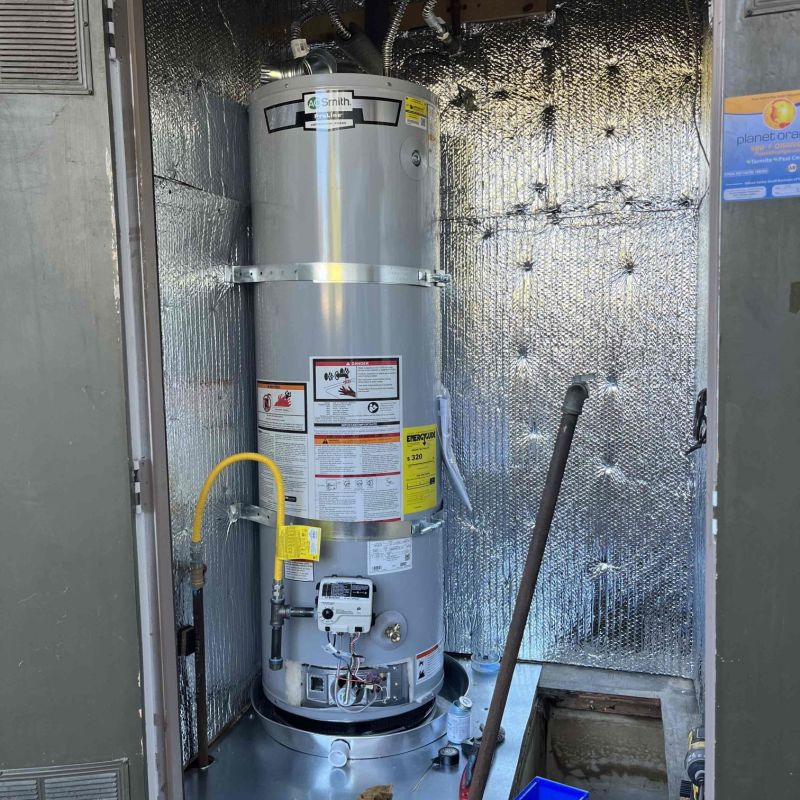
Beyond the tune-ups, plans vary. Common extras include priority scheduling, repair discounts, extended warranties on parts and labor, a free diagnostic visit, and an annual water heater flush when plumbing is covered.
Some companies call it a maintenance agreement or service contract. The idea is the same: you pay a set fee and get scheduled service plus perks.
Why Regular HVAC Service Matters
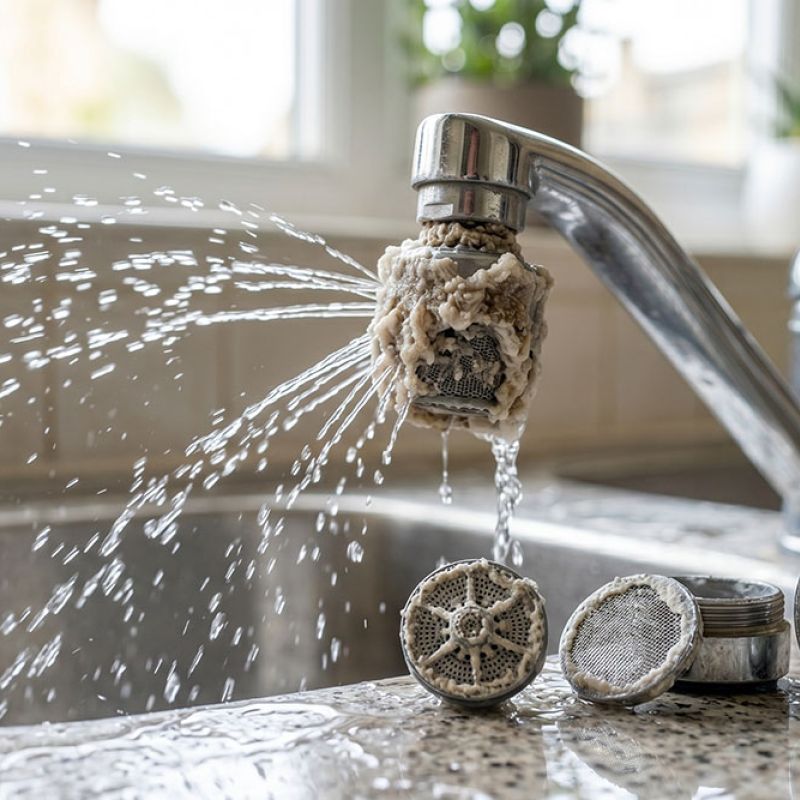
Equipment that skips service slowly loses efficiency. Dirty filters and coils reduce airflow and make the unit run longer. A tune-up also gives a technician the chance to spot a weak capacitor or a loose connection before it fails.
Annual service is the standard recommendation, with AC maintenance in spring and heating maintenance in fall. Each unit then gets checked before its busiest season. Skipping a year doesn’t guarantee a failure, but it removes the one chance to catch wear while the equipment still runs.
Benefits of an HVAC Maintenance Plan
A plan turns those yearly visits into a routine you don’t have to remember. It also adds protections that a one-off tune-up doesn’t.
Fewer Breakdowns
Scheduled visits catch worn capacitors, dirty coils, and loose connections before they fail. Fewer surprise failures means fewer weekends without cooling or heat.
Priority Service When Equipment Fails
Many plans move members to the front of the schedule for emergency calls. That matters most in a heat wave or cold snap, when every company is busy.
Lower Repair Costs
Plans often discount repairs, and some extend the warranty on repair work for as long as you stay a member. Those savings can offset the plan’s yearly cost, especially if the equipment needs a repair.
Warranty Protection
Some manufacturer warranties require proof of regular maintenance. A plan keeps those service records in one place, so a warranty claim doesn’t stall over missing paperwork.
Credit Toward Replacement
Some plans put membership fees toward a future replacement. Regular care also helps equipment outlast neglected units, which softens the cost of an eventual upgrade.
Can You Do HVAC Maintenance Yourself?
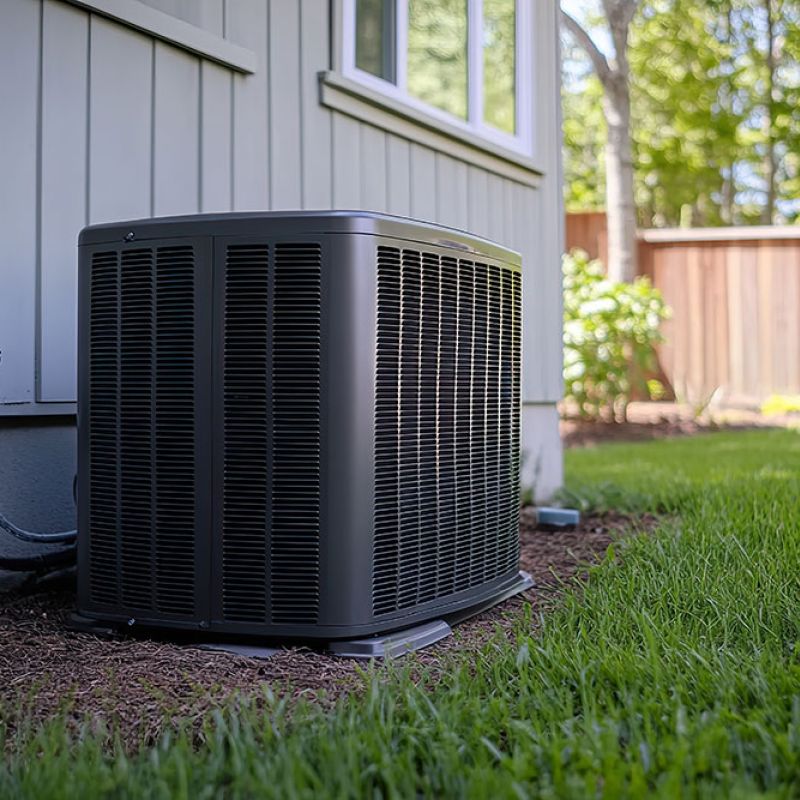
You can handle the basics, like a spring AC startup. Check or replace the air filter every month or two during the cooling season, keep leaves and debris away from the outdoor unit, and watch for odd noises or weak airflow.
The rest takes tools and training. Cleaning coils, testing electrical parts, and checking refrigerant levels are technician jobs, so DIY care supports a yearly visit but doesn’t replace it.
How to Compare Maintenance Plans
Plans don’t all cover the same things, so compare the details before you sign. These questions separate a useful plan from a thin one:
- What’s included: Count the tune-ups, and check whether both heating and cooling are covered.
- Response commitments: Look for written priority or response-time terms for emergencies.
- Equipment limits: Some plans exclude older equipment, so ask about age restrictions.
- Discounts and warranties: Compare repair discounts and whether the parts and labor warranties are extended.
- Transferability: A plan that transfers to a new owner can add value when you sell.
A plan that answers all five clearly is easier to trust.
Put a Maintenance Plan to Work for Your Home
TRIO Heating, Air & Plumbing offers the TRIO Protection Plan, starting at $19.95 per month, with an annual 29-point heating tune-up, an annual 29-point AC tune-up, a free water heater flush, priority emergency service, and 20% off future repairs. There are no equipment age restrictions, the plan is transferable, and 100% of membership fees build credit toward a future replacement. When you’re ready, join the TRIO Protection Plan and get your first tune-ups on the calendar.
Frequently Asked Questions
For most homes, yes, especially when the equipment is more than a few years old. The tune-ups, repair discounts, and priority service often add up to more than the yearly fee if the equipment needs even one repair. Compare the plan’s perks to what you’d pay for the same service one visit at a time.
Most plans include a yearly heating tune-up and a yearly AC tune-up. Many add repair discounts, priority scheduling, and extended warranties on repair work. Read the plan’s terms to see exactly what’s covered and what isn’t.
The fee depends on how many units the plan covers, whether it includes heating, cooling, and plumbing, and which perks come with it. Monthly and yearly payment options are common. Ask for the full list of benefits in writing so you can compare plans fairly.
Written By TRIO Heating, Air & Plumbing
Our mission is clear: to provide top-tier heating and air conditioning services while focusing on exceptional customer experiences, employee happiness, and environmental responsibility.