
Key Takeaways
- Air moves up: Warm air leaving the top of your house pulls replacement air in at the bottom, including from the crawl space.
- Moisture rides along: Damp crawl space air carries humidity, odors, and mold spores into the rooms above.
- Sixty percent is the line: Relative humidity above 60% in a crawl space supports mold growth.
- Find the source: Pipe leaks, sweating ducts, and wet insulation keep feeding the problem.
- Seal and insulate: Duct sealing and crawl space insulation reduce how much of that air reaches you.
The stack effect pulls air from your crawl space into your living space, so crawl space moisture directly affects your indoor air quality. Warm air rises and escapes through the upper floors and attic. Replacement air gets drawn in at the bottom, and if that air is damp, the humidity and musty odor come with it.
How the Stack Effect Moves Crawl Space Air Upstairs
Your house works a lot like a chimney. In cool weather, heated air rises and leaks out near the ceiling, which creates a slight vacuum low in the house. Air then slips up through gaps around pipes, wiring, and subfloor seams.
Some building scientists estimate that a large share of first-floor air can come from below, though the exact amount depends on how tight the home is. In summer, an air-conditioned home can reverse the flow. Warm, humid outdoor air may then get pulled in through the attic or walls.
Why Moisture Builds Up Under the House
Crawl spaces stay cooler than the air outside. When humid air drifts in and cools, its relative humidity rises by roughly 2% for every degree it drops, so air that feels dry can turn damp down there. A dripping pipe, a sweating duct, or wet insulation adds to the problem.
Mold needs sustained humidity above about 60% to take hold. That’s why a crawl space that looks fine can still send a musty smell upstairs. Moisture is a frequent source of indoor air problems, and a crawl space is a place it often hides.
Signs Your Crawl Space Is Affecting Your Air
You rarely need to crawl under the house to notice the effects. Watch for these signs in the living areas:
- Musty odors: A damp smell that’s strongest near the floor or after rain points to moisture below.
- Cold, damp floors: Floors that feel clammy can mean humid air is collecting underneath.
- Sweating ducts: Condensation on ductwork in the crawl space means cool air is meeting humid air.
- Sagging insulation: Wet or drooping insulation stops doing its job and holds moisture against the floor.
If you spot more than one of these, the crawl space deserves a closer look.
What to Do About Crawl Space Moisture
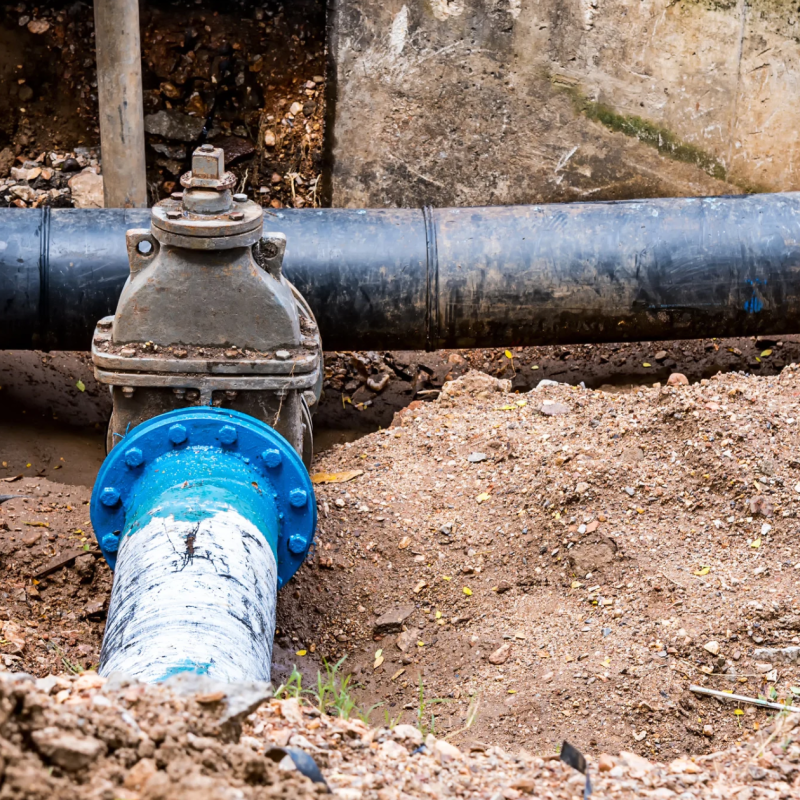
Fix the source first. A slow pipe leak under the house keeps adding moisture no matter what else you do, so water leak repair comes before anything else.
Older Bay Area homes are especially prone to hidden water leaks. Many start under the floor, so a damp crawl space is worth checking early.
Next, cut down how much crawl space air reaches your living space. Ducts that run through the crawl space leak conditioned air and pull in damp air, so duct sealing helps on both counts. Properly installed crawl space insulation also helps, because damaged insulation can need to come out before new material goes in.
Whatever the fix, the goal is the same. You want the air moving up through your house to come from a clean, dry space instead of a damp one. A technician can look at the leaks, ducts, and insulation together and tell you which matter most in your home.
Schedule a Crawl Space Inspection
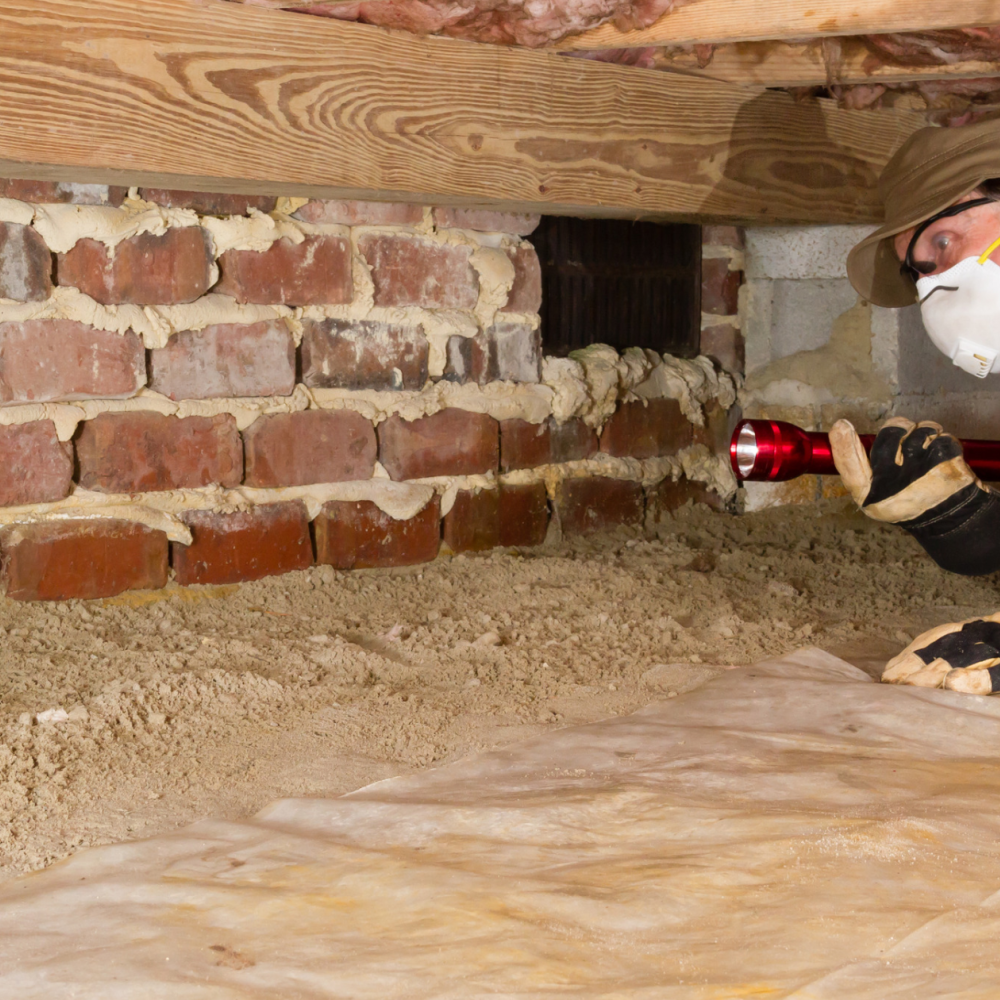
If you’ve noticed a musty smell or damp insulation, a TRIO Heating, Air & Plumbing technician can inspect your crawl space for old insulation, duct damage, and water or mold damage. We’ll explain what we find and what your options are. To get started, request a quote online.
Frequently Asked Questions
Yes. Sustained humidity above 60% gives mold what it needs to grow, and the moisture can travel upstairs. If you suspect high readings, have the crawl space inspected so the source can be found.
You can’t eliminate it, because temperature differences drive it. You can reduce it by sealing the gaps between the house and the crawl space, attic, and ducts. Fixing the leaks that let air in at the bottom matters as much as sealing the top.
It’s a natural process and isn’t harmful on its own. It becomes a problem when the air being pulled up is damp, dusty, or moldy. Clean, dry air below the house means the stack effect does no harm.
Written By TRIO Heating, Air & Plumbing
Our mission is clear: to provide top-tier heating and air conditioning services while focusing on exceptional customer experiences, employee happiness, and environmental responsibility.