Key Takeaways
- Tank water heaters: They store hot water and cost less to install.
- Tankless water heaters: They heat water only when you open a tap. They take up less room and don’t run out mid-shower.
- Capacity: Size a tank by your peak-hour use and a tankless unit by how many fixtures run together.
- Efficiency and lifespan: Tankless units avoid the energy used to keep stored water hot and generally outlast tanks.
- Installation: Gas tankless units often need a larger gas line and new venting, and hard water means yearly maintenance.
A tankless water heater fits households that want hot water on demand in a small footprint and can pay more upfront. A tank water heater costs less to install and works well when hot water use is steady through the day. Capacity decides which one works for you: a tank has to hold enough for your busiest hour, and a tankless unit has to heat enough water per minute for everything running at once.
How Tank and Tankless Water Heaters Differ
A tank water heater keeps a reservoir of hot water ready around the clock. When a busy morning drains the tank, you wait for it to refill and reheat.
A tankless water heater has no reservoir. It heats water as it flows through the unit, so the supply lasts as long as the unit can keep up with demand.
That difference shapes everything else: the size of the unit, the energy it uses, and the way it gets installed. It also explains why the right answer changes from one household to the next.
How to Size Each Type for Your Household
Capacity works differently for each type, so each one gets sized by a different measure of your household’s hot water use.
Sizing a Tank Water Heater
Tank sizing starts with your busiest hour. Count how many people shower, run the dishwasher, and do laundry back to back. Then match that to the tank’s first-hour rating, which is the hot water it can deliver in one hour starting full.
A tank that’s too small runs out. A tank that’s too big wastes energy.
Sizing a Tankless Water Heater
Tankless sizing starts with flow. Add up the gallons per minute of every fixture that could run at the same time, then check that the unit can heat that much water to your target temperature.
A unit sized for one bathroom will struggle if two showers and a washer start together. Busy households often need a larger unit or a second one.
Efficiency and Lifespan
Because a tankless unit heats only when you need hot water, it avoids the standby heat a tank loses while the water waits. That saving matters most in smaller households with lighter hot water use. Heavy users see less of a difference, since a busy tank rarely sits idle.
Tank water heaters typically last 10 to 15 years. A tankless water heater generally lasts longer, though only when it’s maintained.
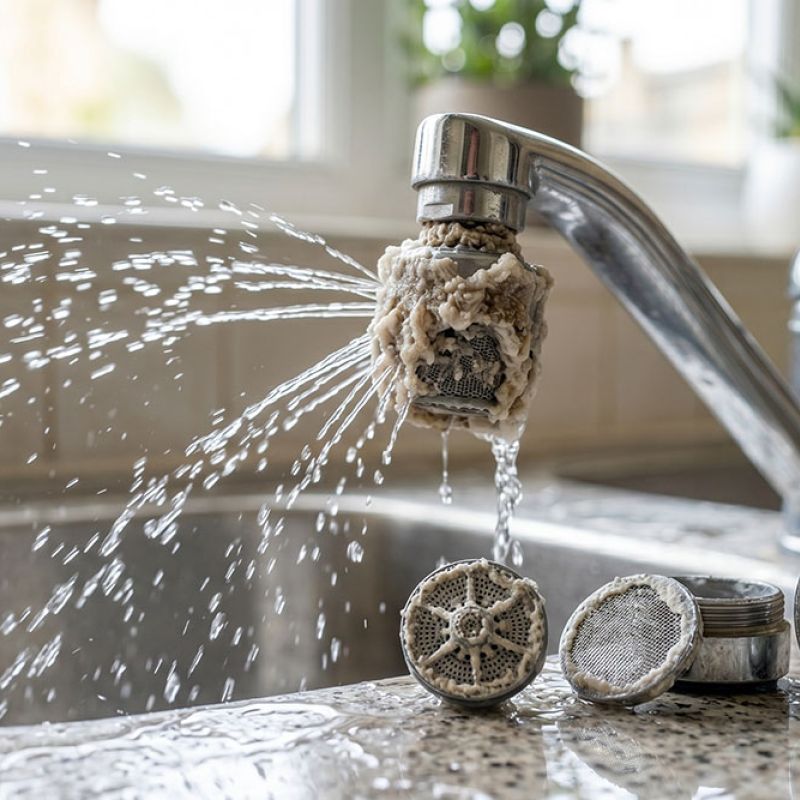
In areas with hard water, mineral scale builds up inside the unit. Hard water is a common reason tankless units lose efficiency early.
What Installation Involves in Bay Area Homes
Swapping a tank for a tankless unit is a bigger job than swapping like for like. Gas models often need a larger gas line and new venting, and some homes lack the electrical capacity for an electric unit. A like-for-like tank swap usually avoids those changes.
Bay Area rules are also changing. On November 4, 2026, the Air District’s board voted to move its zero-NOx standard for replacing gas water heaters from January 2027 to January 2028. The standard applies only when you replace a heater.
The Rule 9-6 amendments include exemptions for some properties. A working water heater doesn’t have to be removed.
Which Water Heater Fits Your Household
A tank is the simpler choice when hot water use is steady, the budget is tight, and your current unit is easy to replace through water heater installation. Tankless water heater services make more sense when space is limited, demand comes in bursts, or you’re tired of running out.
Get the Right Water Heater Sized for Your Home
TRIO Heating, Air & Plumbing installs and repairs both tank and tankless water heaters, and our plumbers size the unit to your household’s hot water use. To start, request a water heater quote and tell us how many people share your hot water.
Frequently Asked Questions
Tankless units cost more upfront and often need gas line, venting, or electrical upgrades. They also need yearly maintenance, especially where water is hard. Two showers plus a dishwasher can overwhelm a unit that’s too small.
Yes, but the swap involves more than the unit itself. A plumber checks your gas line size, venting, and electrical capacity, and sizes the tankless unit to your fixtures rather than to the old tank. The answer depends on your home’s setup.
No. Tank water heaters are still sold and installed, and the Bay Area rule applies only when you replace a gas water heater. Starting in January 2028, replacement gas models must meet the zero-NOx standard unless your property qualifies for an exemption.
Written By TRIO Heating, Air & Plumbing
Our mission is clear: to provide top-tier heating and air conditioning services while focusing on exceptional customer experiences, employee happiness, and environmental responsibility.