for Bay Area homes

Drain Clearing
What Is Drain Clearing and Why Does It Matter?
Drain clearing is a plumbing service that removes severe blockages from drain systems. There are various obstructions that may need to be cleared, though the most common are fats, oils, and grease (FOG), tree roots encroaching on underground pipes, and masses of hair trapped in the drainpipe.
Drain clearing ensures your fixtures drain quickly and predictably, allowing sinks, tubs, and showers to be used safely. By having drains professionally cleared, you also avoid serious and costly issues such as pipe ruptures or backups. Plumbing drain services also eliminate foul odors that might be rising from drains.
Common Signs You Need Drain Clearing Services
How do you know when it’s time to call a pro for clogged drain repair? Here are the top signs to be aware of:
- Persistent slow drains
- Completely blocked drains
- Foul odors from drains (especially sulfuric, moldy, or human waste smells)
- Gurgling sounds from pipes
- Standing water around drains
- Water backing up in your sinks or toilets
What Causes Recurring or Stubborn Drain Clogs?
Does it seem like your drains are constantly getting clogged? While many DIY methods claim to clear slow drains or remove blockages, most are at best ineffective. Chemical drain cleaners may clear a small portion of a clog, allowing water to drain temporarily, only for the clog to recur shortly afterward. Failure to address the issue at its source results in a frustrating cycle of slow, blocked drains.
How Professional Plumbers Clear Blocked Drains
The type of clog determines the best way to clear it. Kitchen drain clearing differs from bathroom drain clog removal because the typical debris causing the blockage is different. Most plumbers use a combination of mechanical techniques to clear drains and restore normal flow from your sinks, tubs, and toilets.
Hydro Jetting and Other Advanced Drain Clearing Methods
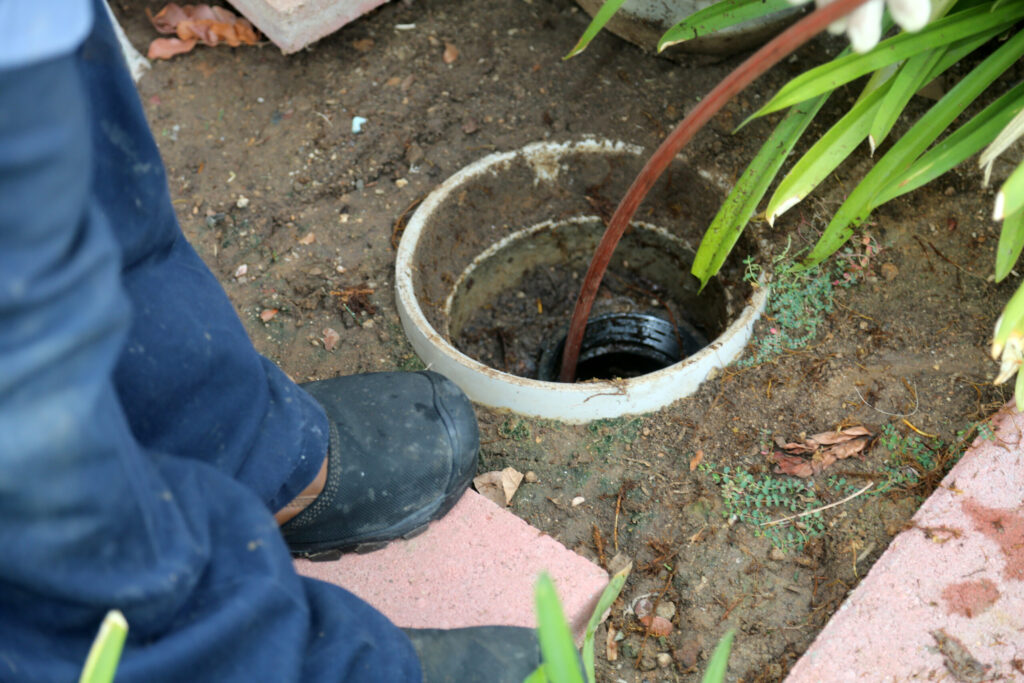
Drain-clearing pros use additional advanced tools in different situations. They may use a specialized drain-snake camera to inspect the blockage and confirm complete removal, and mechanical drain augers are sometimes used to dislodge debris from the pipe walls.
Generally, plumbers avoid using chemical treatments to clear drains. While they may sometimes help deodorize after mechanical cleaning, they’re generally considered ineffective, temporary solutions to a more stubborn problem. It’s unlikely you’ll see your plumbing pro pour a bottle of drain cleaner down your sink.
Why Drain Clearing Is Different from Drain Cleaning
Drain clearing offers an immediate fix to severe blockages, punching a hole through a major clog to allow water to flow. Many people rely on emergency drain clearing when they suddenly find their sink or shower rendered useless by a clog. Drain cleaning, on the other hand, completely removes all residue and buildup from the insides of the drainpipe, which helps prevent drain backups and reduces the odds that you’ll need emergency or same-day drain service in the future. It’s common to combine these services: first, clear the drain to allow water to flow out, then clean the drainpipe to prevent the clog from reappearing.
How Regular Drain Maintenance Prevents Plumbing Emergencies
The best way to deal with drain clogs is to prevent them in the first place. For the best results, we suggest having your drains professionally cleaned about once a year. This stops any buildup from becoming a serious clog, ultimately saving you time, money, and stress.
Beyond professional maintenance, be careful about what you put down drains. Dispose of fat, oil, and grease in the garbage, not your sink, and use drain strainers in bathrooms and showers to keep hair from forming a clog somewhere down the line.
Written By TRIO Heating, Air & Plumbing
Our mission is clear: to provide top-tier heating and air conditioning services while focusing on exceptional customer experiences, employee happiness, and environmental responsibility.