
Key Takeaways
- Seal the house early: Close windows and doors before smoke arrives, not after it’s already inside.
- Run the fan on: Setting the fan to On keeps indoor air moving through your filter.
- Shut the fresh-air intake: If your system has an outdoor air damper, close it so smoke stays out.
- Upgrade the filter: A MERV 13 filter catches far more fine smoke particles, if your blower can handle it.
- Fix duct leaks: Leaky ducts pull attic and crawl space air into your living space.
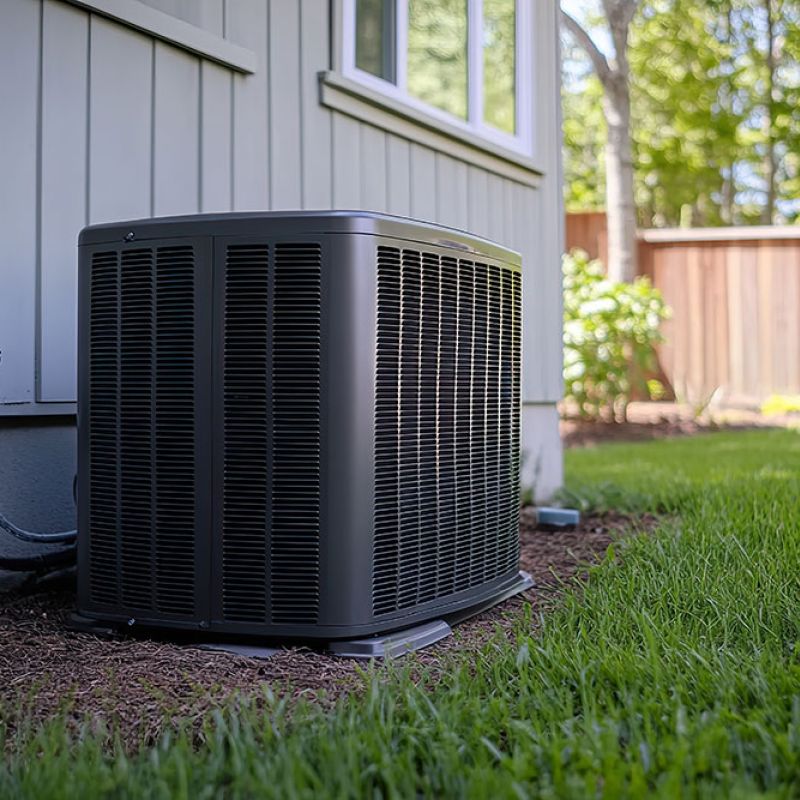
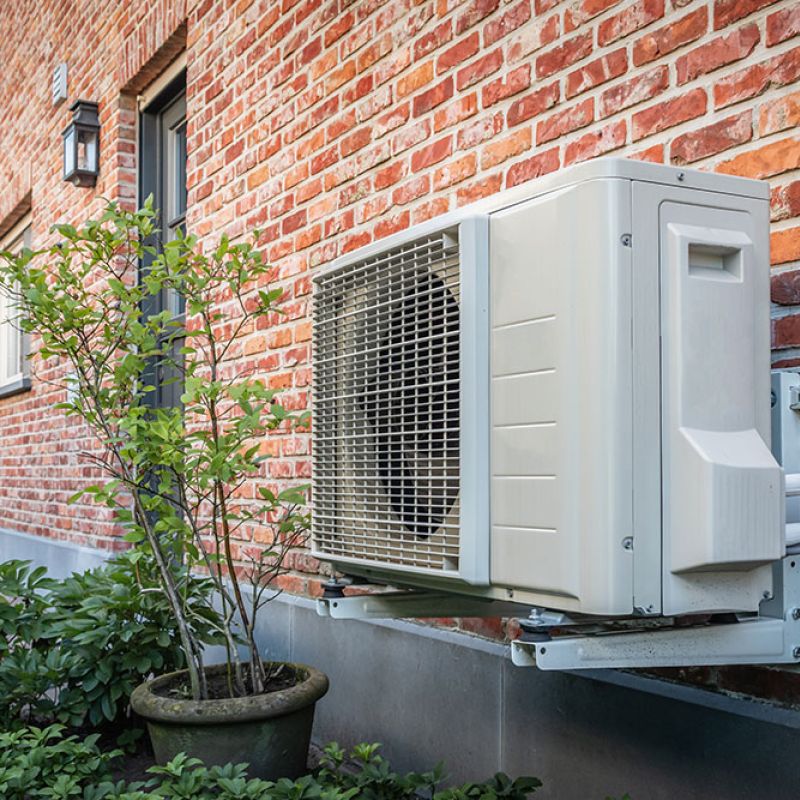
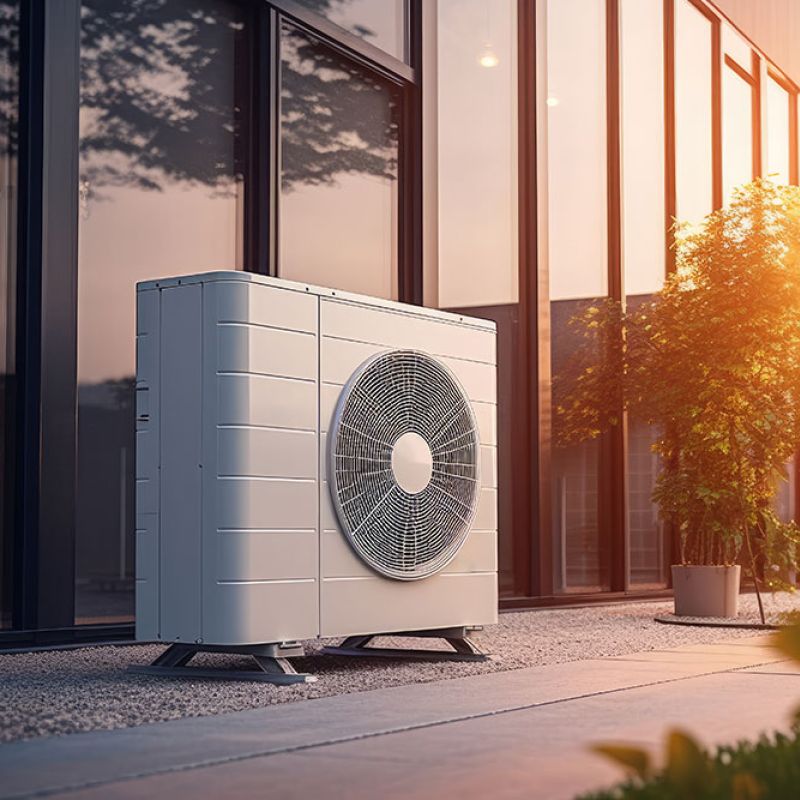
To prepare your HVAC for high outdoor smoke levels, close any outdoor air intake, run the fan continuously, and install the best filter your system can handle. Those changes turn your system into a whole-home filter instead of a path for smoke. Most central systems recirculate indoor air by default, so the filter and the ducts do most of the work.
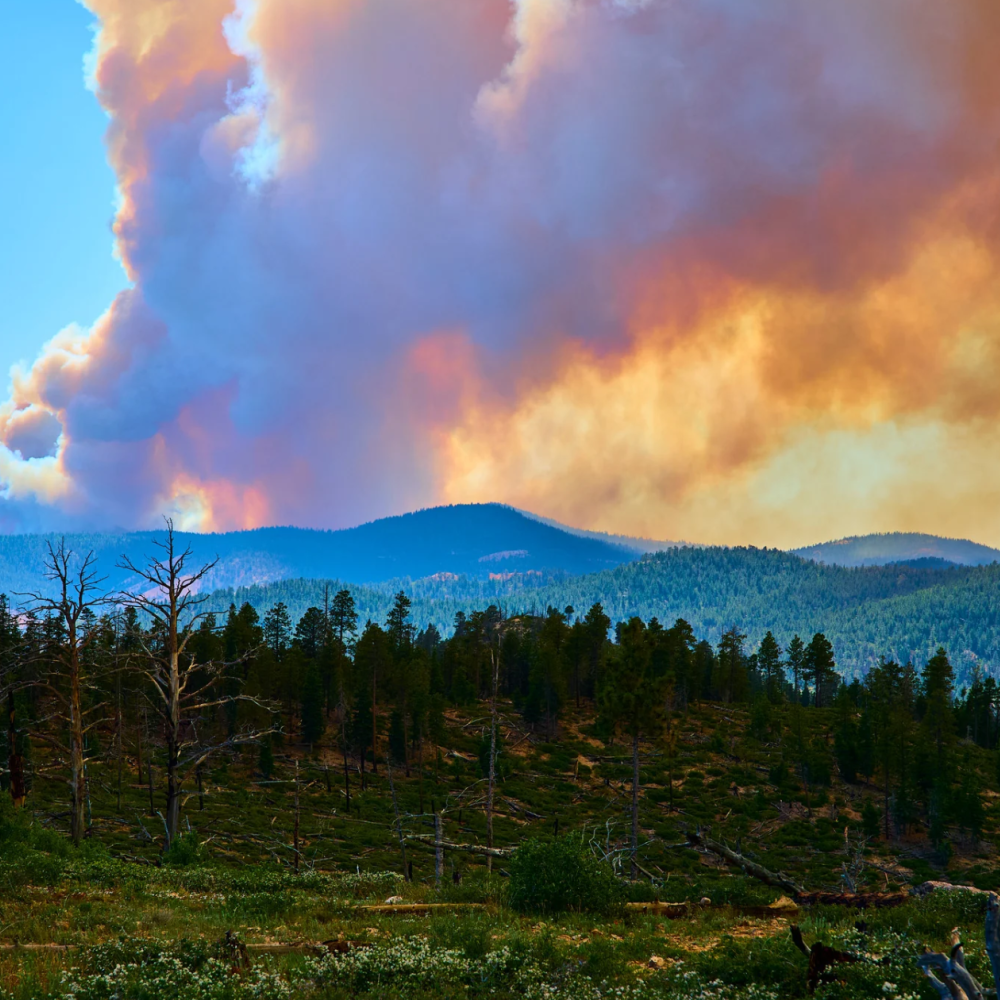
In the Bay Area, wildfire smoke can settle in for days or weeks at a stretch. Getting your system ready before the haze shows up saves you from scrambling once the air turns bad.
Set Your System Up Before Smoke Arrives
Start by keeping smoke out of the house. Close windows and exterior doors, and set the thermostat fan from Auto to On so air passes through the filter even when the AC isn’t cooling. If your system has a fresh-air damper, close it, because an open damper pulls smoky air straight into the ducts.
You can still run your AC during a smoke event. Cooling and cleaning are separate jobs. The filter is what cleans the air, so keep it in good shape.
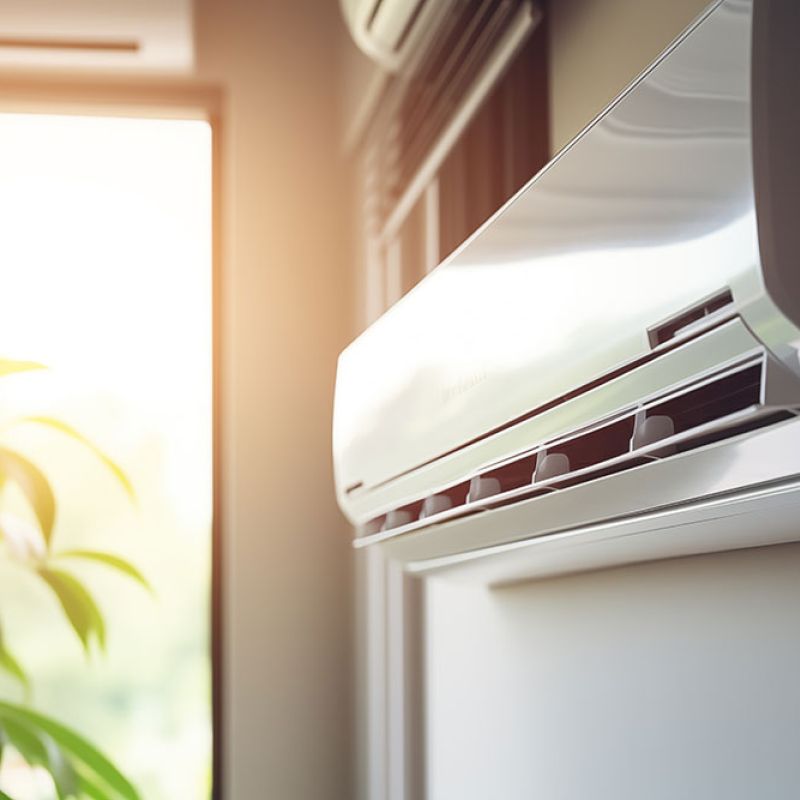
Window and portable units are different, because many vent to the outdoors. Seal their side panels and exhaust hoses before smoke arrives, and check that no gaps let outside air leak back in.
Check Your Filter and Ducts
A dirty or loose filter does little against smoke. Pull yours out and look for gaps around the frame, since smoke slips past a filter that doesn’t fit tight. During smoke season, check it more often than usual.
Plan a swap after any long smoke event, because a loaded filter restricts airflow and strains the blower. If you’d rather not size and fit it yourself, we handle air filter replacement.
Denser filters restrict airflow, so ask a technician whether your blower can handle one before you buy.
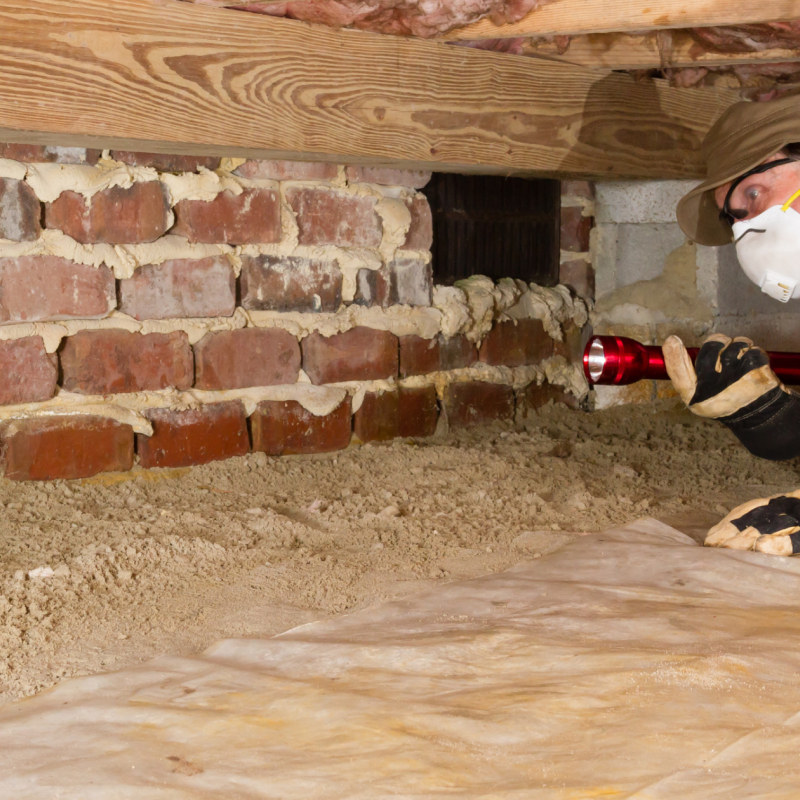
Then look at the ducts. Leaks in attic or crawl space ductwork pull unfiltered air into the system. That makes duct sealing worth doing before the next smoke season.
Add Cleaner Air to the Rooms You Use Most
A filter upgrade helps, yet it can’t catch everything. A whole-home air purification system connects to your ductwork and treats air throughout the house instead of one room. Homes with an existing system can add an air scrubber too, and air scrubbing works on air as it moves through the ducts.
A portable air cleaner is a good backup for a bedroom or home office. Close the door and run it on high while the system fan keeps circulating air through the filter. If you also run a window AC, keep its vents sealed.
Know When to Open Up Again
Smoke can linger indoors after the air outside looks clearer. Check your local reading on AirNow before you open windows. Once readings drop, air out the house for a while.
Then replace the filter if it looks dark or loaded. That way, the next smoke event starts with a clean one.
Get Your System Ready for Smoke Season
If you’d like a technician to check your filter, ducts, and fan settings before the next smoke event, TRIO Heating, Air & Plumbing is ready to help. Tell us what you’d like checked and we’ll go over your options. When you’re ready, request a quote and we’ll take it from there.
Frequently Asked Questions
Yes, if you close the fresh-air intake and keep windows shut. Run the fan on so the filter keeps cleaning indoor air. Window units that vent outdoors need their gaps sealed first.
A MERV 13 filter is the usual target because it captures much more of the fine particles in smoke than a basic filter. It only works if it fits tight and your blower can pull air through it. We check airflow before recommending a denser filter.
It depends on the fire and the wind, so go by your local air quality reading instead of the sky. Smoke particles can linger indoors after outdoor air improves. Keep the fan and filter running until readings come down, then air out the house.
Written By TRIO Heating, Air & Plumbing
Our mission is clear: to provide top-tier heating and air conditioning services while focusing on exceptional customer experiences, employee happiness, and environmental responsibility.